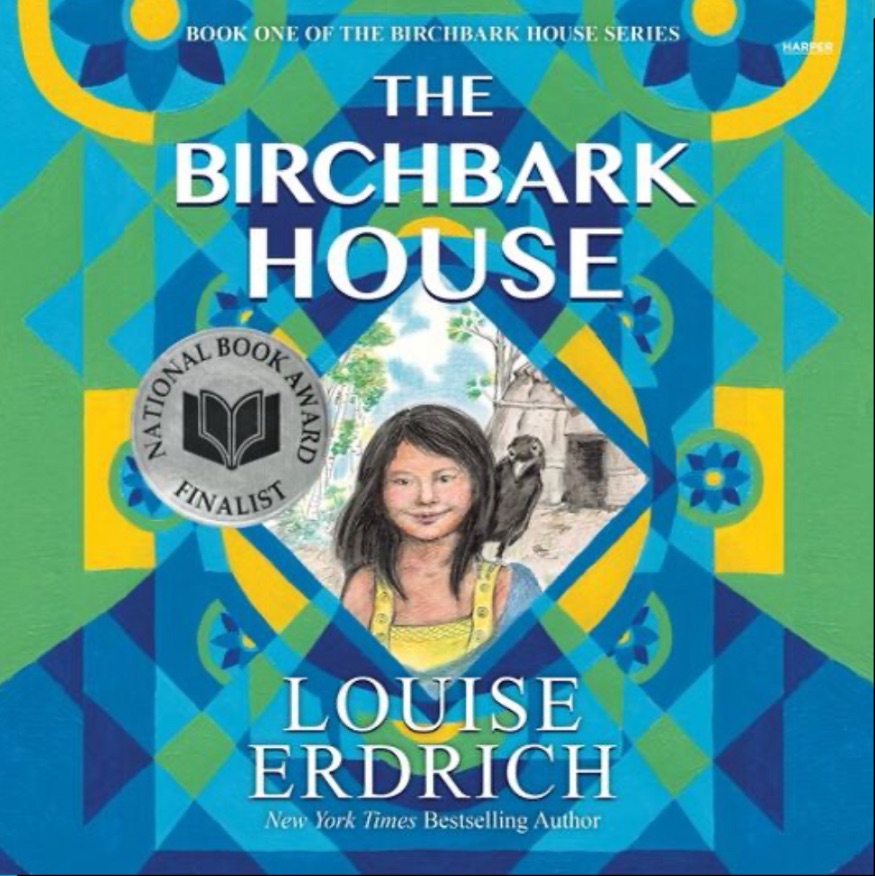
Erdrich, L. THE BIRCHBARK HOUSE. Narr. by Erdrich, L. (2024). Harper Audio. ASIN B09F3MQS71
The Birchbark House by Louise Erdrich is a rich, moving historical novel that centers Indigenous voices, relationships, and ways of life through the eyes of a young Ojibwe girl named Omakakiins. Told with heart, humor, and reverence, this audiobook version enhances the reading experience with immersive narration that allows listeners to hear the story unfold as it might have been told in an oral storytelling tradition. Erdrich’s own voice as narrator gives it a tone of personal storytelling, gentle, precise, and full of care, which is a rare and powerful gift for listeners.
Set in 1847 on Madeline Island, the story follows Omakakiins (Little Frog) and her Ojibwe family through the four seasons, offering a deeply detailed account of daily life, cultural practices, and the challenges and joys of Indigenous life before widespread colonization. The book opens with a heartbreaking prologue about a smallpox epidemic, grounding the story in both historical accuracy and emotional reality. But what follows is a narrative of resilience and community, a celebration of Native knowledge, humor, and spirit.
Characters in The Birchbark House are authentic and multifaceted. Omakakiins, as the central figure, is curious, sometimes mischievous, and deeply connected to her family and community. Her relationships with her beloved grandmother Nokomis, her clever younger brother Neewo, and her often annoying older sister Angeline reflect the kind of sibling dynamics and intergenerational bonds any reader can relate to. The story is told entirely from the Ojibwe perspective, without centering a colonial or outsider viewpoint, which is a vital shift from many historical novels written about Native peoples.
The setting is richly described and deeply grounded in place. The audiobook brings the sounds of nature and the rhythm of seasonal living to life, allowing listeners to feel the cold of winter, the abundance of summer, and the spiritual connection the Ojibwe people maintain with the land. Erdrich includes details of food gathering, shelter building, and spiritual practices in a way that feels organic and respectful.
Cultural values are at the heart of the novel. The narrative seamlessly includes the Ojibwe language (pronunciations are especially helpful in the audiobook format), along with practices such as storytelling, traditional healing, and communal responsibility. Gender roles are depicted with nuance, showing the strength and wisdom of women, especially Nokomis, as well as the roles of men and children in maintaining balance and survival. The book never feels like a textbook—it teaches by showing, through story, just as traditional storytelling is meant to do.
From a justice and equity standpoint, The Birchbark House corrects the misrepresentation and erasure of Indigenous voices in American historical fiction. Louise Erdrich, a member of the Turtle Mountain Band of Chippewa, writes from within the culture, which lends the story truth, integrity, and emotional depth. The novel does not shy away from the hardships the Ojibwe faced, but it also doesn’t reduce them to suffering. It celebrates joy, resilience, humor, and love. This representation matters, especially for Native youth who rarely see themselves reflected in school-assigned literature.
Related Books:
- Indian No More by Charlene Willing McManis
- Rain Is Not My Indian Name by Cynthia Leitich Smith
- Elatsoe by Darcie Little Badger
- Apple: Skin to the Core by Eric Gansworth
- Firekeeper’s Daughter by Angeline Boulley (for older readers)
Classroom or Library Activities:
- Seasonal Reflections Journal: Have students reflect on how Omakakiins experiences each season and write about how their own lives change with the seasons.
- Language Exploration: Create a class word wall with Ojibwe terms used in the story. Include pronunciation practice from the audiobook.
- Compare & Contrast Historical Narratives: Pair with a pioneer story like Little House on the Prairie and compare perspectives, values, and cultural viewpoints.
- Family Tree Project: Students create a family tree for Omakakiins’ family, then write about how family and community influence identity.
- Storytelling Circle: Inspired by the oral tradition, allow students to retell a favorite part of the story or share a family or cultural story of their own.
The Birchbark House audiobook is more than just a well-told story, it’s an experience. Louise Erdrich invites us to listen deeply, to learn with humility, and to value Indigenous knowledge and storytelling. For classrooms, libraries, and families, this is a must-listen that fosters empathy, historical understanding, and cultural respect.
 Gwinn Reads
Leave a comment